

Guide to Jalpaiguri
The Eastern Himalayas, cradled by the mighty Teesta and Jaldhaka rivers, lies Jalpaiguri—a name that evokes images of sprawling tea gardens, dense wilderness, and untamed rivers. While many tourists flock to its famous national parks, the true soul of this region is often found away from the well-trodden paths. This expanded guide is your definitive key to unlocking the secret treasures of Jalpaiguri, focusing intensely on the best offbeat places to visit in Jalpaiguri that promise an authentic and unforgettable experience. If you are compiling a list of “Must Visit to Jalpaiguri” destinations, look no further than these hidden havens.
For the discerning traveller, Jalpaiguri is more than just a “Visit to Rhino safari”; it’s a symphony of nature, culture, and adventure waiting to be explored. This guide will not only list locations but provide deep logistical planning, cost breakdowns, and immersive descriptions to ensure your trip is seamless and extraordinary.
Table of Contents
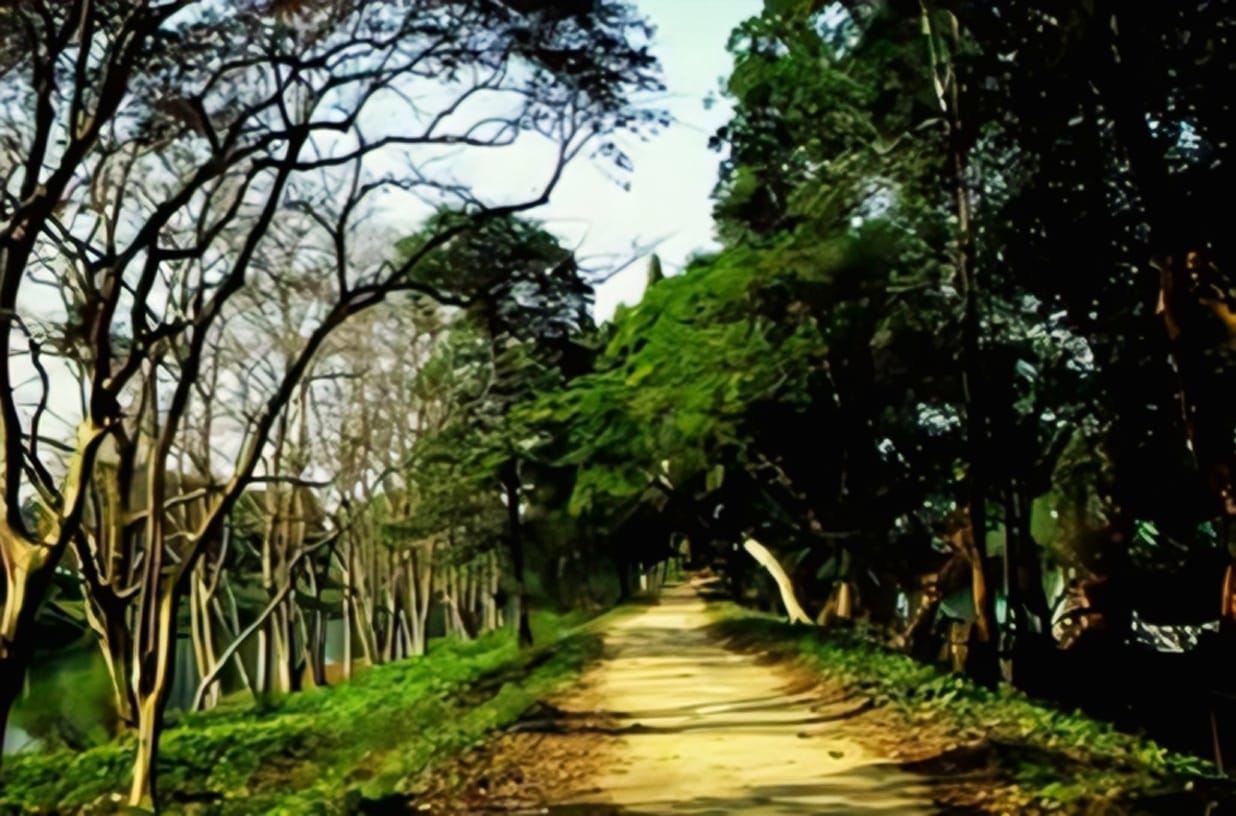
The Crown Jewels: An In-Depth Look at Offbeat Nature & Sanctuary Visits
1. The Enigmatic Buxa Tiger Reserve & Jayanti: Beyond the Tiger
Often overshadowed by Gorumara and Jaldapara, Buxa is the largest forest in North Bengal and a paradise for adventurers. This isn’t just a tiger reserve; it’s a historical and ecological wonderland.
- Why it’s Profoundly Offbeat: While the chance of spotting a tiger is slim, the real rewards are the serene landscapes, the trek to the Buxa Fort, and the remote village of Jayanti. The journey here, through emerald forests and alongside gurgling streams, is an experience in itself. It attracts those who seek solitude and a touch of history with their nature.
- What to Do:
- Buxa Fort Trek: A moderately easy trek of about 3-4 kilometers (round trip) from Buxa Duar leads you to the ruins of this historic fort. Used as a high-security detention barrack for Indian freedom fighters during the British Raj, the fort now offers silent testimony to a turbulent past and panoramic views of the surrounding hills.
- Jayanti Village: Often called the “Queen of Dooars,” this village on the Indo-Bhutan border feels like the edge of the world. The massive riverbed of the Jayanti River, dotted with gigantic, smooth white rocks, is perfect for long walks and photography. The serene atmosphere is punctuated only by the sound of the wind and flowing water.
- Mahakal Cave: A further trek from Buxa Fort leads to this sacred cave, a site of pilgrimage for both Hindus and Buddhists. The walk through the dense, chirping forest to reach the cave is as spiritually uplifting as the destination itself.
- How to Reach: The nearest major town is Alipurduar. From Alipurduar Junction (APDJ) railway station, hire a jeep to Buxa Duar (approx. 1 hour). From Buxa Duar, you must trek to the fort. For Jayanti, you can hire a jeep directly from Alipurduar (approx. 1.5 hours) which travels through a section of the forest.
- Cost: Park Entry: ~₹100-150 per person. A full-day jeep hire from Alipurduar can cost between ₹2,500 – ₹3,500, which can be shared among a group.
2. The Serene Chapramari Wildlife Sanctuary: The Silent Neighbour
Located adjacent to Gorumara, Chapramari is its quieter, more introspective cousin. It shares the same pristine ecosystem of the Terai but with a fraction of the crowd.
- Why it’s Unmissably Offbeat: The silence here is profound, broken only by the calls of exotic birds and the rustling of leaves. It’s a sanctuary where you can truly feel one with nature without the constant hum of tourist jeeps. The animal sightings feel more personal and less orchestrated.
- What to Do: Take an early morning or late afternoon jeep safari. The elephant population here is significant, and it’s not uncommon to see large herds. Birdwatching is exceptional; keep your binoculars ready for the Great Indian Hornbill, the Indian Pied Hornbill, and various species of woodpeckers and eagles. The forest is predominantly Sal, which creates a beautiful dappled light effect.
- How to Reach: It’s strategically located on the main route (NH17) between Chalsa and Lataguri. Any vehicle heading towards Lataguri from New Mal Junction or Siliguri will pass the Chapramari gate. You can easily hire a jeep from Lataguri or Chalsa specifically for a Chapramari safari.
- Cost: Entry Fee: ~₹150-200 per person. A dedicated jeep safari for Chapramari costs ~₹800-1000 for the entire vehicle (up to 6 people). Many resorts also combine a Gorumara and Chapramari safari in one package.
3. The Pristine Samsing & Suntalekhola: Where the Hills Begin
As you ascend from the plains into the hills, these twin hamlets welcome you with open arms. Samsing and Suntalekhola are the epitome of untouched beauty, serving as gateways to the Neora Valley National Park.
- Why they are Quintessentially Offbeat: These places are for those who seek peace over activity. The air is fresher, the tea gardens are steeper, and the pace of life is gloriously slow. There are no major “attractions,” which is the very attraction itself.
- What to Do:
- In Samsing: The primary activity is to simply exist. Sit by the crystal-clear Neora River and soak in the views of the Kanchenjunga range on a clear day. Visit the nearby Suntalekhola Tea Garden for a walk through the manicured bushes.
- In Suntalekhola: The name translates to “a stream (“khola”) that sounds like a hundred (“sunta”) footsteps.” Take a walk along this very stream and through the dense, moist forests of the Neora Valley National Park. The area is rich in birdlife and offers a true sense of wilderness. It’s a base for more serious treks into Neora Valley.
- How to Reach: Shared jeeps or private cars are available from the towns of Chalsa or Malbazar. The journey from Chalsa to Samsing is about 45 minutes of scenic uphill driving.
- Cost: No entry fees for the villages or river sites. Accommodation is primarily in homestays and small eco-resorts, ranging from ₹1,000 – ₹2,500 per night, including delicious home-cooked meals.
4. The Mystical Murti River: An Experience, not a Place
While not entirely unknown, Murti is an experience rather than just a place. It’s where the forest speaks through the sound of gushing water.
- Why it’s a Sensory Offbeat Destination: The charm of Murti lies in spending the night. By day, it’s a popular picnic spot for day-trippers, but by night, it transforms into a magical place where the river’s constant roar is your only companion, creating a white noise that drowns out all worldly worries.
- What to Do: The key is to stay overnight. Book a resort or campsite right on the riverbank. Enjoy a bonfire under a star-studded sky, listening to the symphony of the forest and the river. It’s the perfect base to unwind after a day of safaris and serves as a central location to explore Gorumara and Chapramari.
- How to Reach: It’s located between Gorumara and Chapramari, right on the NH17 highway. Any vehicle going to Lataguri will pass Murti.
- Cost: Free access to the river. Riverside camping can cost ₹1,500 – ₹2,500 per person including all meals. Resort stays range from ₹2,000 – ₹5,000 per night for a double room.
Must-Visit Historical & Cultural Spots
5. The Ancient Jalpesh Temple: A Pillar of Faith
Steeped in history and faith, the Jalpesh Temple is one of the oldest Shiva temples in the region. It’s a vital part of Jalpaiguri’s cultural fabric.
- Why it’s a Must-Visit: For history and spirituality buffs, it offers a profound glimpse into the region’s ancient past. The ‘Shivratri’ fair here is one of the most prominent in North Bengal, drawing thousands of devotees. The temple’s architecture, though renovated over time, carries a legacy of centuries.
- How to Reach: Located in the heart of Jalpaiguri town, it is easily accessible by auto-rickshaw or taxi from anywhere in the town.
- Cost: Free entry (voluntary donations are welcome).
6. The Architectural Coronation Bridge (Sevoke Bridge): A Colonial Legacy
A testament to British engineering from 1941, this bridge is more than just a passage over the Teesta River.
- Why it’s a Non-Negotiable Must-Visit: The combination of the bridge’s grand, rust-colored steel architecture, the roaring, turquoise Teesta below, and the lush green mountains of the Kalimpong region in the background creates a spectacular vista. It’s a perfect photo stop that encapsulates the dramatic beauty of North Bengal. You will cross it if you are coming from Siliguri/Bagdogra, but it’s worth stopping for 15 minutes to truly appreciate it.
- How to Reach: It’s on NH17, connecting Siliguri to the Dooars. All vehicles to the region cross it. You can ask your driver to make a brief stop.
- Cost: Free.
Adventure & Unique Park Visits
7. The Thrilling Rock Island: Nature’s Water Park
Near Samsing, the Neora River crashes through a corridor of massive, smooth boulders, creating natural water slides and pools.
- Why it’s Uniquely Offbeat & Adventurous: It’s a natural playground! The force of the water and the sculpted rock formations make it a unique spot for a refreshing and adventurous dip. It feels wild and untouched.
- What to Do: Climb the rocks, find a natural water chute, and let the powerful water flow over you. The pools are deep enough for a swim in some areas. Exercise extreme caution, especially during the monsoon when the water level and current are dangerously high.
- How to Reach: It is a short and scenic 15-minute drive from Samsing, followed by a small walk down to the riverbank.
- Cost: Free.
8. The Immersive Tea Garden Experience: The Green Gold of Dooars
The Dooars region is synonymous with tea. Instead of just seeing the gardens from afar, step inside one for a sensory journey.
- Why it’s a Culturally Must-Visit: It’s an immersive experience—the smell of fresh tea leaves, the sight of endless green bushes rolling over gentle slopes, and the intricate process of transforming a leaf into the world’s most popular brew.
- What to Do: Take a guided walk through a tea estate like Nagrakata, Hadgson, or Samsing. With prior permission arranged by your resort, you can visit a tea factory (especially during the plucking season from March to November) to see the withering, rolling, fermenting, and drying stages.
- How to Reach: The estates are spread throughout the region; your resort can help arrange a visit to the nearest or most accessible one.
- Cost: Often free, but a small tip of ₹100-200 for the guide who shows you around is appreciated.
The Rhino Safari
No guide to this region is complete without mentioning the iconic “Visit to Rhino safari”. While Gorumara and Jaldapara are the primary locations for this, Jaldapara offers a uniquely thrilling experience.
- Jaldapara National Park: The elephant safari here is legendary. Riding on the back of an elephant at dawn through the misty grasslands provides an unparalleled, stable platform for wildlife viewing and allows you to get remarkably close to the Great Indian One-horned Rhinoceros in their natural habitat. The proximity and the perspective are unmatched by a jeep safari. It’s a classic for a reason and remains a “Must Visit to Jalpaiguri” highlight for any first-time visitor.
- Cost: Elephant Safari: ₹600 – ₹800 per person. Park Entry: ~₹150-200. Jeeps are also available and cost around ₹1200-1500 per vehicle.
Detailed Practical Information for Your Trip
Can You Visit All Places?
A resounding no. The destinations are geographically spread out, and the essence of these offbeat places is to be savoured, not rushed. A 2-day trip forces you to choose between the western Dooars (Gorumara, Chapramari, Murti) and the eastern Dooars (Jaldapara, Buxa). Trying to cover both will result in spending most of your time in a vehicle, with no time to actually experience the locations.
A Highly Recommended 3-Day, 2-Night Offbeat Itinerary:
- Day 1: Arrival and First Safari
- Morning: Arrive at New Mal Junction (NMZ). Drive to your resort in Lataguri or, preferably, Murti (30 mins).
- Afternoon (2:00 PM – 3:00 PM): Check in, have lunch, and book your safari.
- Late Afternoon (3:00 PM – 5:30 PM): Take a jeep safari in the Chapramari Wildlife Sanctuary. Its quieter nature is a perfect introduction.
- Evening: Enjoy a bonfire and dinner by the Murti River, listening to its powerful sounds.
- Day 2: The Himalayan Foothills
- Morning: After an early breakfast, drive to Samsing & Suntalekhola (approx. 1.5 hours). The drive itself is breathtaking.
- Late Morning & Afternoon: Explore Samsing, visit the tea garden, and then proceed to Rock Island. Spend time here enjoying the natural water features. Have a packed lunch or eat at a small local dhaba.
- Evening: Drive back to your resort in Murti/Lataguri. Relax and recount the day’s experiences.
- Day 3: The Classic Safari and Departure
- Morning (6:00 AM – 8:00 AM): Embark on a morning jeep safari in Gorumara National Park. The morning light is beautiful for photography, and animal activity is high.
- Late Morning: Return to your resort for a hearty breakfast.
- Check-out and Departure: Check out by 11:00 AM and drive to New Mal Junction for your onward journey.
- (With a 4th day, you could add a trip to Jaldapara for an elephant safari, requiring a shift in accommodation to Madarihat.)
How to Reach Jalpaiguri
- By Train
- For Western Dooars (Gorumara, Lataguri, Murti): The most convenient railhead is New Mal Junction (NMZ). The Kanchankanya Express (13149) from Sealdah (Kolkata) stops here directly, arriving in the morning. This saves 3-4 hours of road travel compared to getting down at NJP.
- For Eastern Dooars (Jaldapara, Buxa): Alipurduar Junction (APDJ) is the best station, well-connected by trains from Kolkata and other major cities.
- The Major Hub: New Jalpaiguri (NJP) near Siliguri is well-connected from all over India. However, it adds 2.5-3 hours of road travel to reach Lataguri. Use this if trains to NMZ or APDJ are not suitable.
- By Bus:
- From Kolkata: NBSTC (government) and private operators (like Shyamoli, Green Line) run regular AC and non-AC buses from Esplanade to Siliguri (Tenzing Norgay Bus Terminus). The journey takes 12-14 hours.
- From Siliguri, you cannot take a bus to the wildlife spots. You must switch to a shared jeep or hire a private car from the Tenzing Norgay Bus Terminus or the adjoining Sharadi Bus Stand to your final destination (Lataguri, Chalsa, etc.).
- By Air:
- The nearest airport is Bagdogra Airport (IXB) near Siliguri. From Bagdogra, you must pre-book a private cab or take a shared jeep to the Dooars region (Lataguri is 3-4 hours away).
Cost Breakdown (Estimated per Person per Day)
| Category | Budget Traveller (in INR) | Mid-Range Traveller (in INR) | Luxury Traveller (in INR) |
| Accommodation | ₹800 – ₹1,500 (Guesthouse/Homestay) | ₹2,500 – ₹5,000 (Resort) | ₹6,000+ (Luxury Jungle Lodge) |
| Food (3 Meals) | ₹600 – ₹800 (Local Dhabas/Resort Meal) | ₹1,000 – ₹1,500 (Resort Meals) | ₹2,000+ (Gourmet Meals) |
| Safari & Entry Fees | ₹1,000 (Shared Jeep Cost) | ₹1,000 (Shared Jeep Cost) | ₹1,500 (Private Jeep) |
| Local Transport | ₹400 – ₹600 (Shared Jeeps) | ₹2,000 (Hired Cab for day trips) | ₹3,500+ (Dedicated Cab) |
| Miscellaneous | ₹200 | ₹500 | ₹1,000 |
| Total (Approx.) | ₹3,000 – ₹4,100 | ₹7,000 – ₹10,000 | ₹14,000+ |
Critical Cost Notes:
- Safari Cost is Shareable: The jeep cost is for the entire vehicle (usually 6 seats). If you are a solo traveler, you will pay a per-seat cost (e.g., ₹200-300) if you join others. The table assumes a per-person share from a group.
- Transport is the Key Variable: Hiring a private car for your entire trip is the most convenient but expensive option. Shared jeeps are cheaper but run on fixed routes and can be time-consuming.
- Book in Advance: This is crucial for safari permits (bookable online via the West Bengal Forest Department website) and good resorts, especially during peak season (October to March, and all public holidays).
Final Thoughts and Pro-Tips
- Book Everything in Advance: The best homestays, resorts, and most importantly, safari permits, get booked weeks in advance during the season.
- Pack Smart: Carry neutral-colored cotton clothing (camouflage/army prints are not allowed), a good hat, binoculars, sunscreen, mosquito repellent, a power bank, and cash (as ATMs are scarce in remote areas).
- Be Flexible and Patient: This is not a metro city. Weather can change plans, and animal sightings are a matter of luck. Embrace the slow pace.
- Hire a Good Guide: A knowledgeable naturalist guide from the forest department can dramatically improve your safari experience by pointing out wildlife and birdlife you would easily miss.
- Respect the Wilderness: Do not litter, do not play loud music, and never get down from your vehicle during a safari unless at a designated point.
Comment (0)