

Planning Your Perfect Visit to Tajpur Beach
A visit to Tajpur Beach is more than a trip; it’s an immersion into a serene, coastal tapestry woven with golden sands, whispering casuarina forests, and the delicate scuttling of red crabs. This hidden gem in West Bengal’s Purba Medinipur district offers a sanctuary for the soul. This exhaustive guide is designed to be your ultimate companion for planning an unforgettable travel to Tajpur Beach, ensuring your tour to Tajpur Beach is seamless, enriching, and tailored perfectly to your travel style.
Table of Contents
An In-Depth Look at Tajpur Beach: Beyond the Ordinary
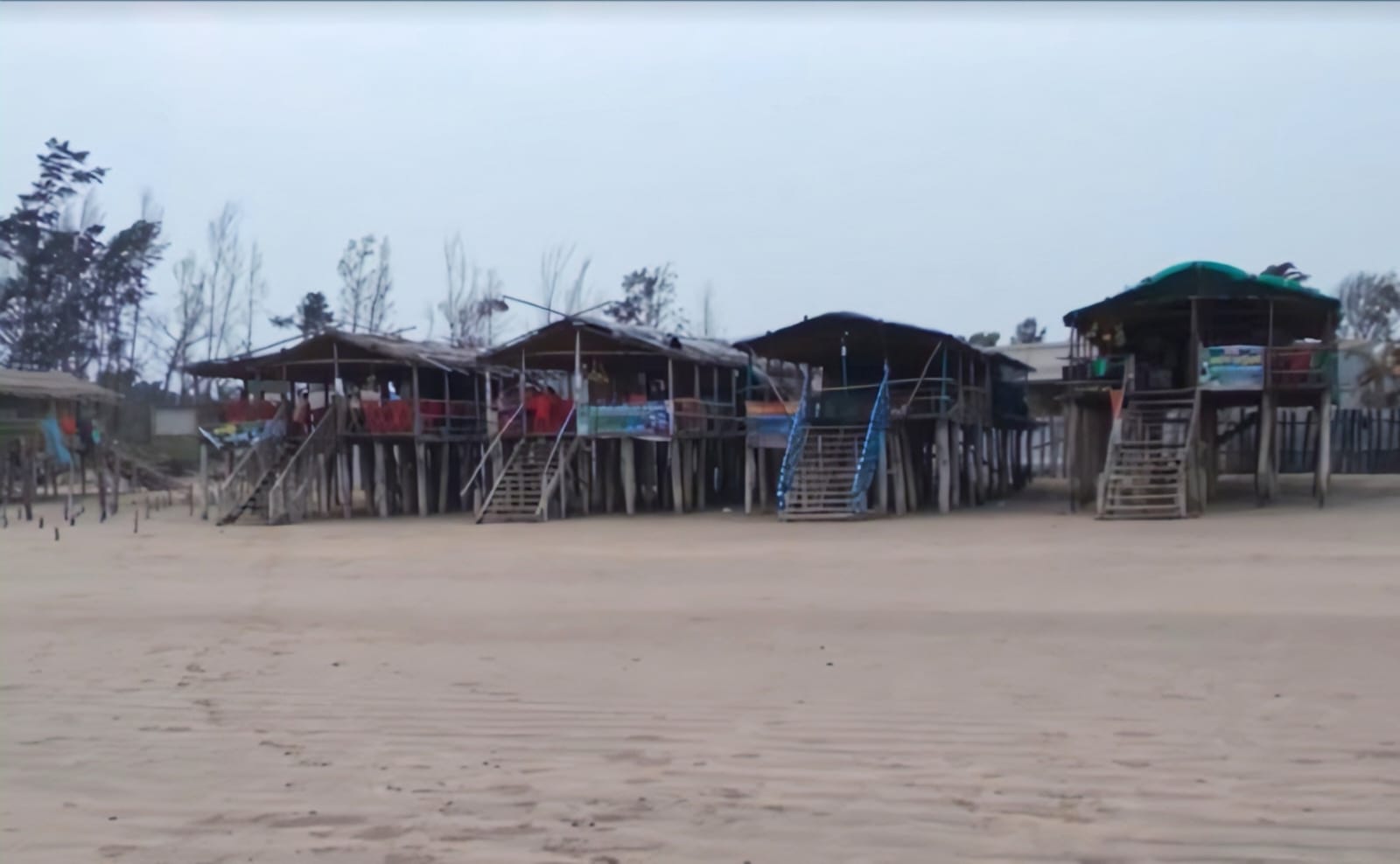
Tajpur is where time seems to slow down. Originally a humble fishing village, its discovery by travelers seeking an alternative to the commercialized stretches of Digha and Mand Armani has been gradual and respectful. The beach’s unique ecology is its crown jewel. The vast expanse of the beach is a dynamic stage at low tide, where countless red fiddler crabs emerge, creating a mesmerizing, moving red carpet. The dense, wind-swept casuarina groves that fringe the coast are not just for scenery; they act as a natural windbreak and their soft, rustling sound provides a constant, soothing soundtrack. This commitment to preserving its raw, natural state is what makes a tour to Tajpur Beach so special for nature lovers and peace-seekers.
Must-Visit Places
To deeply appreciate Tajpur, one must explore its subtle variations and nearby attractions. Here’s a detailed breakdown:
Tajpur Main Beach: The Heart of the Experience
- Sunrise & Sunset: The east-facing orientation offers spectacular sunrises. For sunset, the sky reflects its colours on the wet sand, creating a mirror effect.
- Beachcombing: The beach is a treasure trove for shell collectors. You’ll find a variety of intact seashells, sand dollars, and occasionally, starfish.
- Red Crab Spectacle: The best time to observe the crabs is during the early morning or late afternoon, especially after high tide when the sand is moist.
The Casuarina Groves: A Multisensory Retreat
- Birdwatching: These groves are a habitat for various migrant and resident birds. Bring binoculars to spot kingfishers, woodpeckers, and various songbirds.
- Photography: The long, straight lines of the trees, with dappled light filtering through, create a photographer’s paradise, especially during the golden hour.
Silence Point (Sourdine Point): The Zenith of Tranquillity
- The Journey: Reaching Silence Point involves a beautiful 15–20-minute walk along the shore, often requiring crossing a small, shallow freshwater stream that meets the sea. This journey itself is part of the adventure.
- The Experience: This is where the travel to Tajpur Beach achieves its purpose. The near-total absence of human noise allows you to fully attune to the natural symphony of waves, wind, and your own thoughts. It is ideal for meditation, yoga, or simply sitting in silence.
Shankarpur Beach & Fishing Harbor (7 km): A Cultural Excursion
- Timing: Visit around 7-9 AM to see the fishing boats return with their catch. The atmosphere is vibrant and authentic.
- Interaction: You can interact with the local fishermen and, if you’re staying in a self-catering accommodation, even purchase fresh fish directly from them.
Mand Armani Beach (20 km): A Contrast in Experience
- The Drive: The main attraction here is the 13-kilometer-long drivable beach. A taxi ride along the hard-packed sand with the sea on one side is a unique experience.
- Dining: Mand Armani has more upscale resort restaurants. A trip here for a long, luxurious lunch is highly recommended.
The Perfect Season: A Detailed Guide to When to Visit
Choosing the right time is crucial for your visit to Tajpur Beach.
- October – February (Peak Season – Perfect Weather):
- Weather: Clear skies, cool and pleasant breezes. Daytime temperatures: 18°C – 28°C. Nights can be slightly chilly.
- Experience: Ideal for all outdoor activities. This is also the best time for birdwatching as migratory birds arrive.
- Tip: Book accommodations and travel well in advance, especially for December and January.
- March – May (Shoulder Season – Warmer Days):
- Weather: The sun becomes stronger, with temperatures rising to 30°C – 35°C. The sea breeze offers some relief.
- Experience: Fewer crowds and potentially lower prices. Perfect for those who don’t mind the heat and want a more solitary experience.
- June – September (Off-Season – Monsoon):
- Weather: Heavy rainfall, high humidity, and rough seas. The region can experience cyclonic weather.
- Experience: Not recommended for beach activities. Most local shacks are closed, and travel can be disrupted. However, the landscape is lush green, and for a storm-watcher, it can be dramatic.
Guide on How to Reach
By Train (The Most Recommended Route):
- Destination Station: Digha (DGHA) is the nearest and most convenient railhead, 15 km from Tajpur.
- From Kolkata: Board trains like the Kandari Express, Tamralipta Express, or Digha SF Express from Howrah Station. The journey is comfortable and takes 3-4 hours.
- Last Mile: Pre-paid taxis and auto-rickshaws are readily available outside Digha station. Negotiate the fare before you start. The scenic drive takes about 30-45 minutes.
By Flight (For Long-Distance Travelers):
- Destination Airport: Netaji Subhas Chandra Bose International Airport (CCU) in Kolkata, ~180 km away.
- Best Route from Airport: Hire a pre-paid taxi for a direct, door-to-door service to your Tajpur resort. The 4–5-hour drive is comfortable via NH16. Alternatively, take a taxi to Howrah/Sealdah station and then follow the train route.
By Road (For the Adventurous Driver):
- Route from Kolkata: Take NH16 (Kolkata-Kharagpur Highway) to Kalighat. Then, take the State Highway to Contain/Ramnagar, followed by the coastal road to Tajpur. The total distance is approximately 170 km.
- Bus Service: Regular and Volvo bus services are available from Esplanade (Kolkata) to Digha. From Digha bus stand, take a local taxi to Tajpur.
Financial Planning
A tour to Tajpur Beach can be tailored to any budget. Here’s a granular cost analysis for a 3-day, 2-night trip for one person:
- Budget Traveler (₹5,000 – ₹7,000):
- Accommodation: Basic homestay or non-AC room: ₹1,000 – ₹1,500/night.
- Food: Eateries and local shacks: ₹600 – ₹800/day (3 meals).
- Transport: Train (2nd Sit. /General) + Auto-rickshaws: ₹600 (train) + ₹400 (local).
- Sightseeing: Taxi to Shankarpur/Mand Armani (shared): ₹500.
- Miscellaneous: Water, snacks: ₹300.
- Mid-Range Traveler (₹8,000 – ₹15,000):
- Accommodation: Comfortable AC resort/cottage with beach view: ₹2,500 – ₹4,000/night.
- Food: Mix of resort dining and better shacks: ₹1,200 – ₹1,800/day.
- Transport: Train (AC Chair Car) + Private Taxi for local sightseeing: ₹1,000 (train) + ₹2,000 (taxi for 2 days).
- Experiences: Seafood dinner, photography: ₹1,000.
- Luxury Traveler (₹20,000+):
- Accommodation: Premium beachfront resort with private balcony, AC, and amenities: ₹6,000 – ₹10,000/night.
- Food: Exclusive in-resort dining, restricted beach dinners: ₹2,500+/day.
- Transport: Private AC cab from Kolkata and for all local travel: ₹8,000 – ₹10,000 (round trip).
- Experiences: Spa treatments, dedicated guide: ₹3,000+.
Average Hotel Cost Per Night
- Budget (Homestays/Guesthouses): ₹1,000 – ₹2,500. Basic amenities, often family-run.
- Mid-Range (Resorts & Cottages): ₹2,500 – ₹5,000. AC, attached bathroom, sometimes a private sit-out, and on-site restaurant.
- Luxury (Boutique & Premium Resorts): ₹5,000 – ₹12,000+. Beachfront location, modern amenities, spacious rooms, multi-cuisine restaurants, and often a swimming pool.
20 FAQs About Tajpur
- What is the geological significance of the red crabs?
The red crabs (primarily Fiddler Crabs) are a key indicator of a healthy beach ecosystem. They act as detritivores, cleaning the beach by feeding on organic debris. Their presence signifies low pollution levels. - Is the water at Tajpur Beach suitable for novice swimmers?
While calmer than many open-ocean beaches, currents can be unpredictable. It is suitable for wading and shallow-water paddling. For actual swimming, extreme caution is advised, and it is not recommended for complete novices without supervision. - Can I find English-speaking guides or is there a language barrier?
In resorts, staff often understand and speak basic English. With local taxi drivers and shack owners, you will manage with basic Hindi or Bengali. It’s not a significant barrier for a self-planned trip. - What are the specific health and safety precautions?
Carry a basic first-aid kit, including antiseptics and band-aids for potential cuts from shells. Use strong mosquito repellent, especially in the evenings. Drink only bottled or purified water. - Is Tajpur Beach accessible for travellers with physical disabilities?
Unfortunately, the soft sand and lack of paved pathways make it challenging for wheelchairs or those with limited mobility. Resorts with compound areas would be the most accessible spots. - What is the policy on beach bonfires?
Many resorts can arrange a controlled, private bonfire on the beach for their guests for an extra charge. Lighting random fires is prohibited and ecologically damaging. - Are there any volunteering or eco-tourism initiatives?
While not formally organized, travellers are strongly encouraged to practice “Leave No Trace” principles. Carry a bag to bring your trash back and avoid disturbing the crabs or picking live shells. - What is the quality of the internet/Wi-Fi connectivity?
Do not expect high-speed internet. Resorts offer Wi-Fi, but it is often slow and unreliable, meant for messaging, not streaming. Mobile data (4G) works better but can be slow plan for a digital detox. - Can we rent bicycles or two-wheelers in Tajpur?
Bicycle rentals are sometimes available through resorts for exploring the village lanes. Two-wheeler rentals (scooters/bikes) are rare in Tajpur itself but can be found in Digha. - What are the options for a longer stay (a week or more)?
Several homestays and guesthouses offer significant discounts for long-term stays. This is a fantastic way to deeply unwind and live like a local. - Is it possible to visit Tajpur as a day trip from Digha or Mand Armani?
Absolutely. Tajpur is perfectly situated for a day trip from either. A taxi from Digha takes 30-45 minutes, and from Mand Armani, about 45-60 minutes. - What are the specific seafood dishes I must try?
Must-tries include Chingri Macher Malai Curry (prawn curry with coconut), Ilish Paturi (hilsa fish steamed in banana leaf), and Kankra Jhal (crab curry). - How does the experience of a ‘tour to Tajpur Beach’ differ between weekdays and weekends?
Weekdays are profoundly quiet, with very few visitors. Weekends (especially long weekends) see an influx of tourists from Kolkata, but it’s still nowhere near as crowded as other beaches. - Are there any specific permits or permissions required for photography?
No permits are required for general or amateur photography. For professional, commercial shoots (with models and equipment), it’s advisable to check with local authorities or your resort. - What is the electrical power situation?
Power cuts, while less frequent than in the past, can still occur, especially during storms. Most good resorts have inverter or generator backup. - Can we get packaged drinking water and basic supplies easily?
Yes, there are small local shops (“kirana” stores) in the village that sell bottled water, chips, biscuits, and basic toiletries. For a wider variety, stock up in Digha. - What is the cultural etiquette for dressing and interacting with locals?
While beachwear is acceptable on the beach itself, it is respectful to cover up (wear a t-shirt/top and shorts/pants) when walking through the village or visiting local markets. The locals are friendly and welcoming; a smile goes a long way. - Is there any night fishing or bioluminescence visible on the beach?
Night fishing is not a common tourist activity. On rare, dark, moonless nights, some visitors have reported seeing faint bioluminescence (sparkling plankton) in the waves, but it is not a guaranteed sight. - What are the childcare facilities like? Is it suitable for young children?
There are no formal childcare facilities. The beach is a great natural playground for children who enjoy sand and shallow water, but they must be constantly supervised near the water and warned not to touch the crabs. - What is the single most important piece of advice for a first-time visitor?
Reset your expectations. Do not come looking for parties, water sports, or luxury shopping. Come with a stack of books, a relaxed mindset, and a willingness to disconnect. Embrace the slow pace and the profound quiet; that is Tajpur’s true gift.

Comment (0)