

Explore places When you Visit to Daringbadi
Daringbadi located in the Kandhamal district, at Odisha, is a breathtaking hill station often called as the “Kashmir of Odisha.” This guide covers everything you need to plan an unforgettable visit to Daringbadi, from its lush coffee plantations to its mesmerizing valleys and many more.
Table of Contents
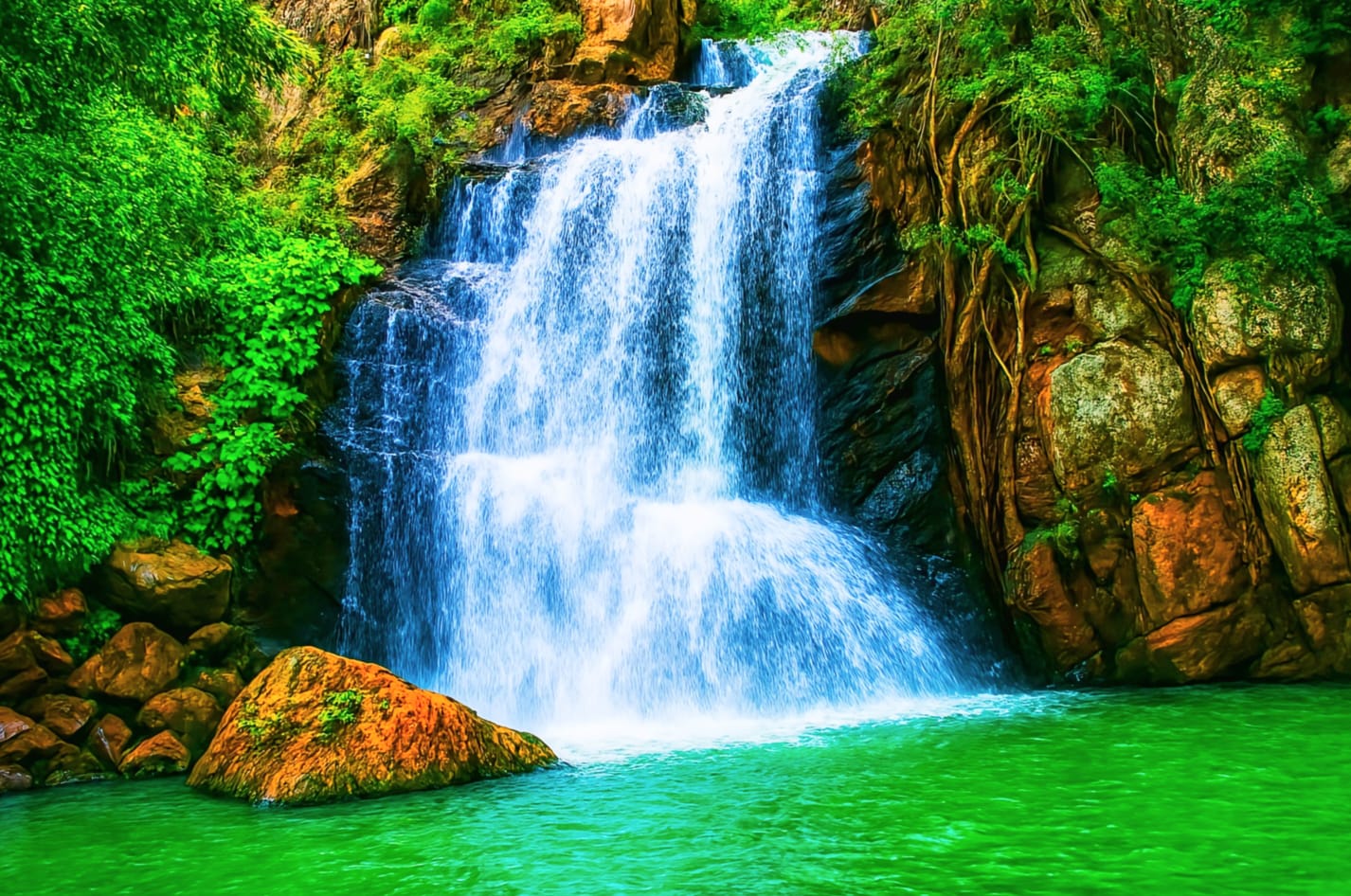
Must Visit Places in Daringbadi
1. Doluri River & Picnic Spot: This isn’t just a river; it’s the lifeline of Daringbadi. The gentle gurgle of the water over rocky beds creates a soothing soundtrack. The designated picnic spot on its banks, shaded by tall trees, is ideal for a family outing. You can dip your feet in the cool water and simply relax for hours.
2. Hill Viewpoint: The name doesn’t do it justice. This point offers a breathtaking 180-degree panoramic vista of the entire Daringbadi valley. At sunrise, watch the mist slowly lift to reveal a tapestry of green, and at sunset, see the sky explode in hues of orange and purple. It’s a photographer’s paradise.
3. Coffee & Pepper Plantations: Daringbadi is part of Odisha’s nascent but promising coffee-growing region. A walk through these plantations is a sensory delight. You’ll see the coffee beans (both Arabica and Robusta) ripening on the bushes and pepper vines climbing up the silver oak trees. If you are lucky, you might get to interact with local farmers.
4. Lovers’ Sea (Emuli Waterfall): Don’t let the name confuse you. This is a stunning, seasonal waterfall located near the Emuli village. The water cascades over a massive, flat rocky bed, creating a wide, sea-like appearance, hence the name. The surrounding landscape is dramatic and perfect for photography. It’s most impressive during and just after the monsoon.
5. Putudi Waterfall: For those willing to venture a little off the beaten path, Putudi offers a more intimate experience. It is a smaller, cascading waterfall nestled in a denser part of the forest. The journey to the falls through the rustic trails is an adventure in itself.
6. Nature Park: Maintained by the Odisha Forest Department, this park is a microcosm of the region’s biodiversity. It’s beautifully laid out with walking paths, a variety of local plant species, and is a fantastic spot for birdwatching. It’s especially enjoyable for children and those seeking a peaceful, leisurely walk.
7. Belghar Sanctuary (Nearby Attraction): Located about 50 km away, Belghar is a must-visit for wildlife enthusiasts. It’s renowned for its elephant population and other fauna like sambar, barking deer, and a variety of birds. The area is also known for its giant mango trees.
Best Time to Visit Daringbadi
- The Ideal Season (October to March): This is the undisputed best time for a tour to Daringbadi. The monsoon has retreated, leaving the landscape lush and the air crisp. Daytime temperatures are pleasant (around 15-20°C), while nights and early mornings can be downright cold, dropping to 4-8°C. Pack heavy woollens if you are visiting between December and January.
- The Emerald Season (July-September): The region receives heavy rainfall, transforming it into a verdant paradise. The waterfalls are at their roaring best. However, travel can be challenging due to slippery roads and leeches. Recommended for adventurous travelers and photographers.
- The Summer Escape (April-June): While the plains of India sizzle, Daring Badi is still cool and comfortable, making it a perfect summer retreat. Daytime temperatures are warmer, but nights are pleasant.
How to travel to Daringbadi
As there are no nearby rail station, People often visit to Daringbadi using Bus, Traveler Buses, or if a pack of 5 or 6 people can Move using SUVs.
By Train
- Berhampur Railway Station (BAM): 100 km away. This is the most convenient option with good connectivity from Kolkata and other cities.
- Brahmapur Station: Similar distance as Berhampur. From these stations, pre-paid taxis and shared jeeps are available for the scenic 3–4-hour drive uphill to Daringbadi.
By Flight
The nearest airport is Biju Patnaik International Airport in Bhubaneswar (BBI), approximately 250 km away. Upon landing, you can rent a cab for a direct journey. The drive is long (5-6 hours) but takes you through the changing landscapes of coastal Odisha to the hilly interiors.
By Road
Daringbadi is well-connected by a network of state and national highways.
- From Bhubaneswar: 250 km via NH16 and State Highway. The journey takes 5-6 hours.
- From Berhampur: 100 km, taking about 3 hours.
- From Phulbani: 60 km, the district headquarters, which is about a 2-hour drive.
- Odisha State Road Transport Corporation (OSRTC) and private operators run regular bus services.
Budget Traveler (₹1,500 – ₹2,500 per day):
- Accommodation: Basic guesthouses or homestays.
- Transport: Public buses and shared autos/jeeps for local sightseeing.
- Food: Meals at local dhaba and small restaurants.
Mid-Range Traveler (₹3,000 – ₹5,000 per day)
- Accommodation: Comfortable hotels or resorts with better amenities.
- Transport: A private cab for the entire duration for hassle-free local travel.
- Food: Meals at your hotel or better-rated local restaurants.
Luxury Traveler (₹7,000+ per day)
- Accommodation: The best available resorts with premium facilities.
- Transport: Exclusive, pre-booked private cab with a driver.
- Activities: Guided tours and exclusive experiences.
Sample Itinerary Cost for a Couple (3 Days, 2 Nights)
- Budget: ₹8,000 – ₹12,000
- Mid-Range: ₹15,000 – ₹20,000
- Luxury: ₹25,000+
- Average Hotel Cost: Category-Wise
Budget Hotels or Guesthouses: ₹800 – ₹1,500 per night. These offer basic, clean rooms with attached bathrooms.
Mid-Range Hotels & Resorts: ₹2,000 – ₹4,000 per night. Expect more spacious rooms, hot water, on-site dining, and often, beautiful views.
Luxury Resorts: ₹5,000 and above per night. These properties offer premium amenities, excellent service, and are often located in the most scenic spots.
- Note: Prices can surge by 20-30% during the peak winter season (December-January) and on long weekends. Booking in advance is crucial.
FAQs About Daringbadi
1. Why is Daringbadi called the ‘Kashmir of Odisha?
It earns the name from its unique ability to get very cold in winter, with frost covering the ground and vegetation, a phenomenon rare in this part of India, coupled with its pine-covered hills.
2. What is the nearest airport to Daringbadi, and what are the taxi options?
Bhubaneswar Airport (BBI). Pre-paid taxi counters are available right outside the terminal, offering fixed-rate cabs for the journey.
3. Which is the most convenient railway station for a travel to Daringbadi?
Berhampur (BAM) is the most convenient due to its proximity and frequent taxi/ bus services to the hills.
4. How far is Daringbadi from Bhubaneswar, and how is the road condition?
It is about 250 km. The road condition is good for most of the journey, with the final stretch being a winding ghat road.
5. Can I see snow in Daringbadi?
No, it does not receive snowfall. However, the frost in winter mornings creates a white blanket effect that is the closest you can get to a snow-like experience in Odisha.
6. What are the main activities beyond sightseeing?
You can go for light trekking in the plantations and hills, bird watching, photography, and simply enjoy bonfires on cold nights (organized by some hotels).
7. Is Daringbadi safe for solo and female tourists?
Yes, it is considered very safe. The local people are friendly. However, standard travel precautions apply, especially when venturing into isolated spots alone.
8. What local food or drink should I try?
Apart from Odia classics, try the local organic coffee. You might also find fresh honey and seasonal forest produce depending on the time of year.
9. Is it necessary to carry cash, or are digital payments accepted?
Carry sufficient cash. While some hotels and resorts in Daringbadi might accept UPI or cards, connectivity can be unreliable. ATMs are scarce and often run out of cash.
10. What specific clothing should I pack for a winter trip to Daringbadi?
For winter: Heavy jackets, sweaters, woolen caps, socks, and mufflers. For other seasons, light woolens for the evening are sufficient.
11. Is it a good destination for a family with young children?
Absolutely. The pleasant climate, picnic spots like Doluri, and the Nature Park make it an excellent and relaxing destination for families.
12. How is Daringbadi as a summer destination (April-June)?
It is an ideal summer getaway. While days can be warm, they are still much cooler than the plains, and the nights remain pleasant.
13. Can I combine my visit with the Belghar Sanctuary?
Yes, it is a popular combination. You can plan a day trip to Belghar from Daringbadi, but it requires an early start.
14. What is the mobile network connectivity like for major providers?
BSNL has the best coverage. Airtel and Jio work in the main market area but can be very patchy or non-existent in remote spots and valleys.
15. What is the ideal itinerary duration for a first-time visitor?
A 3-day, 2-night itinerary is perfect to cover all major attractions at a relaxed pace without feeling rushed.
16. Is it possible to find English-speaking guides?
While not common, you can find guides who can communicate in basic English. Your hotel can help arrange one. Hindi is more widely understood.
17. What are the other nearby “sourdine” (serene/offbeat) places to visit?
Explore Taptapani for its hot springs, Phulbani for its tribal museum, and the more remote villages in the Kutia Kondh area near Belghar for a deeper cultural immersion.
18. Are there any entry fees or permits required for the tourist spots?
Most spots like Hill Viewpoint and Nature Park have a nominal entry fee (₹10-₹25 per person). No special permits are required for Indian tourists.
19. What is the cultural etiquette I should follow, especially in tribal areas?
Be respectful. Always ask for permission before photographing local people or their homes. Dress modestly.
20. Are there any specific trekking routes that are recommended?
There are no officially marked trails, but the walk through the coffee plantations towards the periphery of the town and the paths around the Hill Viewpoint offer excellent, moderately challenging treks. It’s advisable to hire a local guide for any serious trekking.
Comment (0)