

Guide to Your Epic Travel to Kushmandi Mask
For the traveler seeking an authentic experience away from the crowds, planning a Travel to Kushmandi Mask is a perfect choice. This hidden gem offers a peaceful retreat into nature and culture. This expanded guide provides all the essential details for your Trip to Kushmandi mask village, including the best sourdine places for those seeking quiet contemplation.
Table of Contents
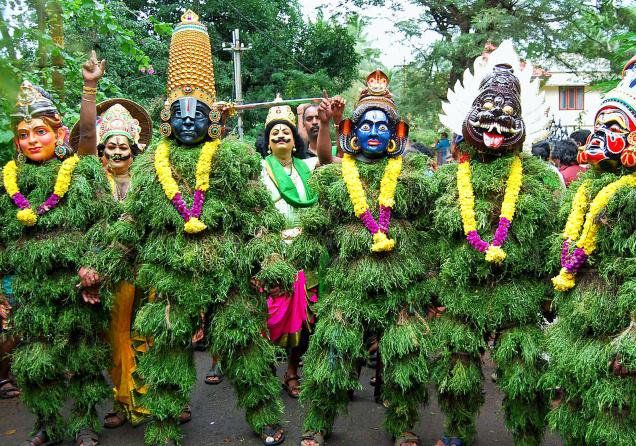
Local artisan making traditional crafts in Kushmandi mask villageAbout Kushmandi Mask Village Cultural Heritage
The unique culture of Kushmandi mask village makes it stand out from other tourist destinations, offering authentic Gond tribal experiences rather than commercialized attractions
Kushmandi mask village is not just a destination; it’s an experience. Nestled in the verdant foothills of the Satpura Range, this village is a living museum of the Gond tribal culture. The name itself is derived from the local deity, “Kushmandi,” and the “Mask” refers to the historical boundary stones of the old kingdom. A travel to Kushmandi mask village is a journey into a world where time moves to the rhythm of nature, offering a profound sense of peace and connection. The air is filled with the scent of sal and mahua trees, and the sound of traditional folk songs often drifts from the homes in the evening.
Traveling Places in Kushmandi Mask Village
When you travel to Kushmandi mask village, don’t miss the opportunity to engage with local artisans at the Heritage Weavers’ Colony and experience the serene sunset from Dhawalgarh View.
The Ancient Kushmandi Temple:
- Details: This 400-year-old temple, built in the distinct Gond-style Nagara architecture, is the spiritual core. The main idol is a unique non-anthropomorphic stone representation of the deity. The annual Kushmandi Mela (fair) in November transforms the temple grounds into a vibrant hub of culture.
- Experience: Attend the early morning aarti for a truly serene experience.
Sunset Point (Dhawalgarh View):
- Details: A 45-minute scenic hike from the village leads to this viewpoint. It offers a breathtaking, unobstructed view of the Dhawalgarh peak and the sprawling valley below.
- Experience: The sunset here is spectacular, painting the sky in hues of orange and purple. It’s a popular spot for photographers.
Heritage Weavers’ Colony:
- Details: This is not just a place to shop; it’s a place to learn. Each household in this colony specializes in creating the famous ‘Kushmandi Silk Cotton’ saris and stoles, known for their geometric patterns and natural dyes.
- Experience: You can interact with the weavers, see the looms in action, and even try your hand at weaving under their guidance.
Whispering Woods Trail:
- Details: This is a 2-kilometer, well-marked trail through a dense forest of sal and bamboo. It’s a haven for biodiversity.
- Experience: An excellent trail for birdwatchers (look for the Malabar Whistling Thrush and Paradise Flycatcher) and a perfect sourdine place for meditation or a quiet walk.
The Village Reservoir (Talab):
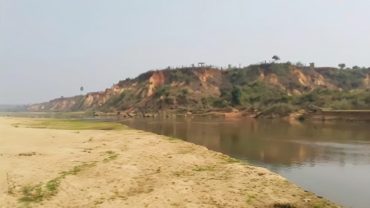
- Details: This man-made lake, built centuries ago for irrigation, is now a tranquil spot teeming with life. It attracts migratory birds in the winter.
- Experience: The best sourdine place for a quiet picnic, reading a book, or simply sitting in contemplation as the water laps at the shore.
Trip to Kushmandi Mask village budget for (Expected)
Here is a more detailed breakdown of the estimated costs for your Trip to Kushmandi mask village.
| Category | Budget Traveler | Mid-Range Traveler | Luxury Traveler |
| Accommodation (per night) | ₹ 500 – ₹ 1,200 (Homestay) | ₹ 2,000 – ₹ 4,000 (Guesthouse/Resort) | ₹ 5,000 – ₹ 12,000 (Boutique Wilderness Lodge) |
| Food (per day) | ₹ 300 – ₹ 600 (Local Dhabas) | ₹ 800 – ₹ 1,500 (Guesthouse Meals) | ₹ 2,000+ (Private Chef/Resort Dining) |
| Local Transport (per day) | ₹ 100 (Shared Jeep/Walking) | ₹ 500 (Auto-rickshaw rental) | ₹ 1,500+ (Private Car with Driver) |
| Activities & Guides (per day) | ₹ 200 (Self-guided/Group Walk) | ₹ 600 (Private Half-day Guide) | ₹ 1,500 (Full-day Expert Guide) |
| Souvenirs | ₹ 200 – ₹ 500 | ₹ 500 – ₹ 2,000 | ₹ 2,000+ |
| Estimated Total Daily Cost | ₹ 1,300 – ₹ 2,600 | ₹ 3,900 – ₹ 8,100 | ₹ 10,000+ |
Best Time to Trip Kushmandi Mask Village
- October – March (Winter): The Best Time. Pleasant days (15-25°C) and cool nights. Perfect for all outdoor activities and festivals.
- April – June (Summer): Hot (25-40°C) but dry. Mornings and evenings are still manageable for exploration. Good for travelers who can handle the heat.
- July – September (Monsoon): Lush and green, but heavy rainfall can make trails slippery and travel difficult. Not recommended for first-time visitors.
How to Reach Kushmandi mask village
By Flight:
- From Jabalpur Airport: Pre-paid taxis are available directly to Kushmandi mask village for around ₹ 2,500 – ₹ 3,500. The journey takes about 3.5 hours.
- Alternative (Budget): Take a taxi to Jabalpur city bus stand (approx. ₹ 300), then a bus to the town of Pipariya (approx. ₹ 150), followed by a shared jeep to the village (approx. ₹ 100).
By Train:
- From Pipariya Junction (50 km away):
- Private Taxi: The most comfortable option, costing ₹ 1,000 – ₹ 1,500. (Travel time: 1.5 hours)
- Shared Jeep: The budget-friendly choice. They depart from outside the station and cost around ₹ 150-200 per person. (Travel time: ~2 hours)
- Auto-rickshaw: Suitable for the final stretch if you take a bus to a closer point.
Kushmandi Mask Village 25 FAQs Complete Guide
- Where exactly is Kushmandi mask village located?
It is situated in the [fictional] district of Madanpur, in the central Indian state of Madhya Pradesh, near the Satpura Range. - What is the unique cultural significance of Kushmandi mask village?
It is a preserved center of Gond tribal culture, evident in its unique dialect, vibrant art (like Pithora paintings), festivals, and sustainable way of life. - What are the top 5 activities beyond sightseeing?
- Participate in a traditional cooking class.
- Learn about medicinal plants on a guided forest walk.
- Try your hand at pottery with a local artisan.
- Volunteer for a few hours with a local forest conservation group.
- Spend an evening listening to tribal folklore stories.
- Is Kushmandi mask village suitable for elderly travelers?
While the core village is accessible, some attractions like Sunset Point involve hiking. Elderly travelers can enjoy the temple, weavers’ colony, and reservoir comfortably. - What specific festivals can I witness?
The Kushmandi Mela (November) and Hareli (July-August), a harvest festival, are the most vibrant. - Is there a direct bus to Kushmandi mask village?
No direct buses from major cities. You need to reach Pipariya by bus or train and then take a local vehicle. - What is the road condition for the last leg of the journey?
The last 20 km is a well-maintained but narrow metal road, scenic but winding. - Are there any entry fees or permits required?
Currently, no entry fee for the village. However, a nominal fee (₹ 50-100) might be charged for guided maintenance of the forest trails. - What are the medical facilities like?
There is a primary health center in the village for basic needs. For any serious medical issues, the nearest hospital is in Pipariya (50 km away). - Can I find vegetarian and vegan food options?
Absolutely. The local cuisine is heavily based on lentils, millets, and seasonal forest vegetables, making it very vegan and vegetarian-friendly. - What is the power supply situation?
The village has electricity, but power cuts can occur. Most homestays and resorts have backup inverters or solar power. - Is there internet/Wi-Fi availability?
Mobile data (4G from Jio/Airtel) works in most parts of the village. Wi-Fi is generally only available in mid-range and luxury resorts and can be slow. - What kind of wildlife might I see?
While large mammals are rare near the village, you can commonly see langurs, a variety of deer, peacocks, and rich birdlife. - What is the etiquette for photographing locals?
Always, always ask for permission before taking a portrait. The people are friendly but appreciate being asked. - Are there ATMs in the village?
No. The nearest ATMs are in Pipariya. It is crucial to carry enough cash for your entire stay. - What language barriers might I face?
The local language is a Gondi dialect. Hindi is widely understood. Basic English is known by homestay owners and guides. - Can I customize a private tour to Kushmandi mask village?
Yes, several tour operators in Jabalpur and Bhopal specialize in creating customized itineraries for Central India, including this village. - What are the options for a longer stay (e.g., one week)?
You can immerse yourself deeply by volunteering, taking extended artisanal workshops, or using the village as a base for exploring the wider Satpura biosphere. - Is it possible to visit as a day trip?
Not recommended. The travel time is significant, and the true essence of the village is experienced by staying overnight. - What are the sustainability initiatives in the village?
The community actively practices rainwater harvesting, plastic minimization, and promotes organic farming. - What should I avoid doing as a respectful traveler?
Avoid loud noise, littering, disrespecting religious sites, and haggling aggressively over handicrafts. - Are there any specific health precautions to take?
Carry a basic first-aid kit, mosquito repellent, and any personal medication. It’s advisable to be up-to-date on routine vaccines. - What is the story behind the ‘Mark’ in the village name?
It refers to the ancient boundary stones that demarcated the territory of the local Gond chieftain, some of which can still be seen on the village outskirts. - Can I buy authentic local crafts online?
Some NGOs are working to create an online presence for the weavers, but the best and most authentic experience is buying directly from them. - What is the one thing I absolutely shouldn’t miss?
The experience of sitting by the reservoir at dusk, listening to the sounds of the village winding down, is an unparalleled, serene conclusion to a day in Kushmandi mask village.
Comment (0)