

Guide to Your Epic Visit to Gangani
Forget the ordinary. A visit to Gangani is a profound journey into the heart of a raw, sculpted landscape that defies the very essence of Bengal’s typical greenery. Known authoritatively as the “Grand Canyon of Bengal,” this isn’t just a destination; it’s a powerful sensory experience. This guide is your ultimate blueprint for an unforgettable travel to Gangani designed to transform your curiosity into an epic adventure.
Table of Contents
Discover Gangani
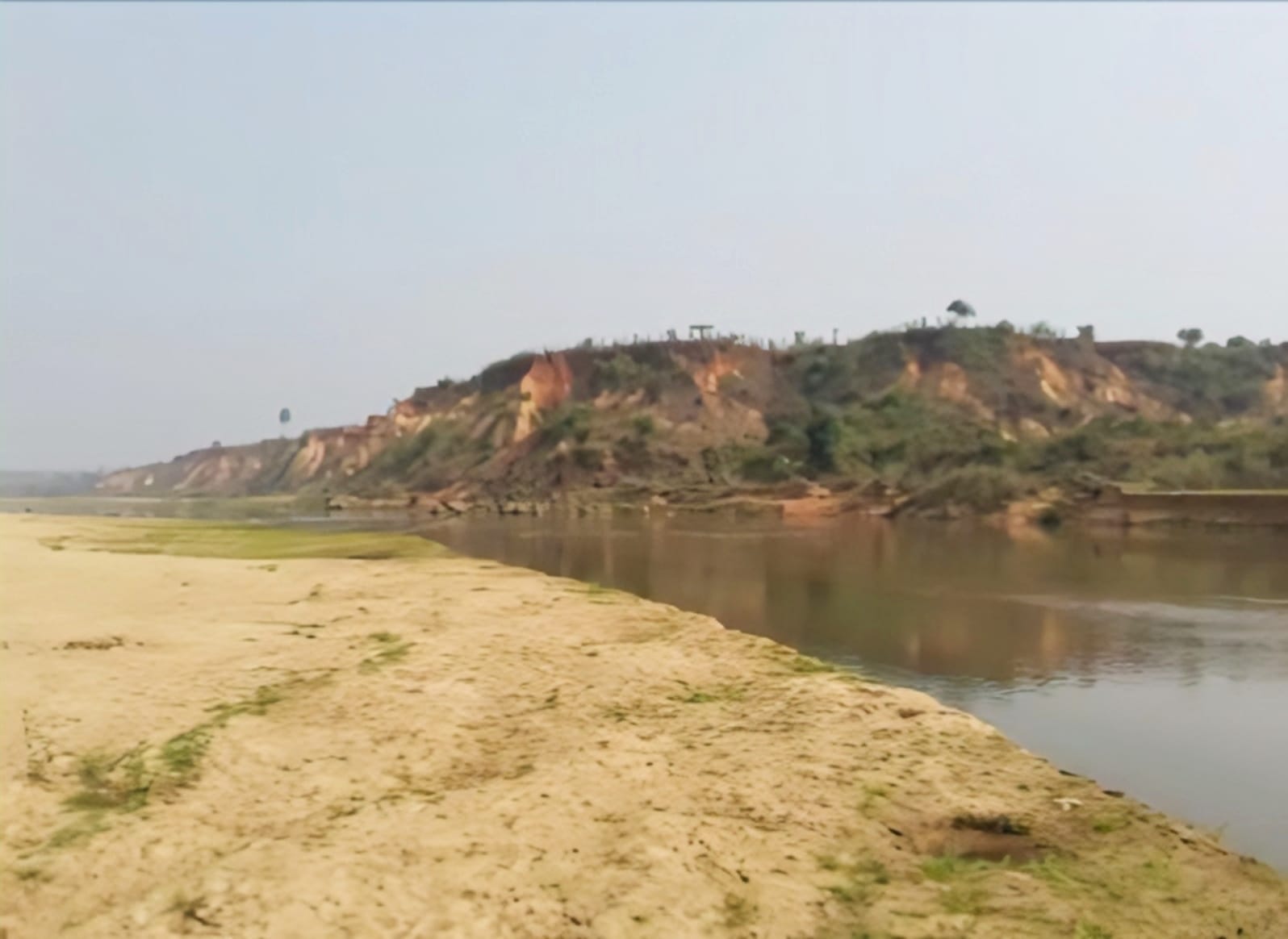
Nestled in the Garbeta block of West Medinipur, Gangani is a breathtaking testament to the power of natural erosion. For millennia, the River Shilabati has carved its way through the laterite soil, creating a stunning ravine network of gullies, cliffs, and mesas. This semi-arid badland topography presents a dramatic, almost Martian landscape, offering a paradise not just for photographers, but for geologists, artists, and anyone seeking a powerful connection with nature’s untamed forces.
Visiting Places in Gangani
- The Grand Canyon Vista Point: This is the iconic viewpoint that will steal your breath. The panoramic vista of the entire ravine system is best witnessed at sunrise or sunset. The low sun angle paints the rugged terrain in breathtaking hues of crimson, gold, and deep ochre, creating a photographer’s dream. Spend time here, the view changes magically with the light.
- The Shilabati Riverbed Expedition: This is where your adventure truly begins. Embark on an exhilarating walk along the vast, dry, and cracked riverbed. Towering canyon walls surround you, creating a profound sense of scale and awe. Look for unique geological patterns and fossil imprints in the exposed rock layers—each one tells a million-year-old story.
- The Sculpted Ravine Pathways (The Labyrinth): Don’t just observe from above—immerse yourself. Venture into the intricate network of gullies. The wind and water have carved astonishing formations—arches, pillars, and alcoves that resemble ancient ruins. This exploration is a physical and visual feast, with every turn revealing a new, dramatic sculpture crafted by nature.
- The Peripheral Rural Tapestry: The power of Gangani is amplified by its contrast. Take a walk along the periphery where the arid canyon meets vibrant green paddy fields and quaint, tranquil villages. This offers an authentic and humbling glimpse into the resilient rural life that thrives beside this geological wonder.
Best Time to Visit Gangani
Timing is everything for a perfect visit to Gangani.
- Prime Season (October to February): This is the undisputed best window. The winter weather is pleasantly cool (10°C – 25°C), with clear skies and low humidity, making extensive hiking and exploration an absolute joy.
- Season to Absolutely Avoid (April – June): The summer is brutal. Temperatures can soar above 40°C, and the barren landscape, with no shade, becomes an unforgiving furnace. It is highly discouraged.
- Monsoon Consideration (July – September): While the ravines turn a lush green and the river may flow, the clay soil becomes dangerously slippery, and the risk of sudden flash floods is real. Access to the lower areas is often blocked. Not recommended for safety.
Tour Cost for a Trip to Gangani
A tour to Gangani is remarkably budget friendly. Here’s a detailed breakdown for a 2-day, 1-night trip:
- Budget Traveler (₹1,500 – ₹2,500 per person):
- Transport: Local trains (2nd class) and shared auto-rickshaws.
- Accommodation: Basic homestay or guesthouse in Garbeta (₹800-₹1,200/night).
- Food: Local eateries and dhabas (₹300-₹500 per day).
- Miscellaneous: Water, snacks, minor expenses.
- Comfort Traveler (₹3,000 – ₹5,000 for two people):
- Transport: AC train tickets or a private cab for a day from Kharagpur (₹1,500-₹2,000).
- Accommodation: A reputable mid-range hotel in Kharagpur (₹1,800-₹3,000/night).
- Food: Meals at decent restaurants or hotel dining.
- Experience: Potential hiring of a local guide for a few hours.
A Realistic Look at Average Hotel Cost & Stays
- Near Gangani/Garbeta: Options are limited to basic lodges and guesthouses (₹800 – ₹1,500/night). They offer a clean bed and attach bathroom but lack luxury. Ideal for the adventurous traveler who just needs a place to crash.
- In Kharagpur (Recommended for Comfort): A much wider range of good mid-range hotels (₹1,800 – ₹4,000/night) offering amenities like air conditioning, room service, and on-site restaurants. This is the best base for a comfortable travel to Gangani.
- Luxury & Returns: For a luxury experience, you would need to stay in Kolkata and undertake a long day trip, which, while possible, is exhausting and less immersive.
How to Reach Gangani
By Train
- Your Target Station: Garbeta Railway Station (Code: GBTA). It’s a mere 10 km from Gangani.
- From Kolkata (Howrah Station): Multiple trains like the Howrah-Midnapore Passenger, Rupashi Bangla Express, and others connect Howrah to Garbeta. The journey is comfortable and takes about 2.5 – 3.5 hours.
- The Final Leg: From Garbeta station, you will find a fleet of auto-rickshaws. You can hire one for a private ride (bargain, should cost around ₹150-₹200) or take a shared one for a lower cost. The ride through the rural landscape is an experience.
By Flight: For The Long-Haul Traveler
- Your Arrival Hub: Netaji Subhas Chandra Bose International Airport (CCU) in Kolkata, roughly 150 km away.
- Your Two Powerful Options:
- The Direct Cab (Comfort & Speed): Book a pre-paid or app-based cab (Ola/Uber) directly from the airport. The drive via NH16 and state highways is smooth and takes approximately 3.5 – 4.5 hours, depending on traffic.
- The Train Combo (Budget & Experience): Take a cab or bus from the airport to Howrah Station (1-1.5 hours) and then seamlessly switch to the train route described above. This is often cheaper and offers a more varied travel experience.
By Road
A fantastic option for those who love road trips. The drive from Kolkata via NH16 (Kona Expressway) is excellent. Take the exit towards Garbeta and follow the signs. The total distance is approximately 150-160 km, and the drive takes about 4-5 hours, allowing for stops.
25 FAQs About Gangani
- What is the single most spectacular thing about Gangani?
The utterly unique and dramatic badland topography, a stark contrast to Bengal’s typical landscape, creates a feeling of discovering a hidden, miniature world. - Is a visit to Gangani worth it for a solo traveler?
Absolutely. It’s an empowering destination for solo explorers, offering peace, incredible photo opportunities, and a profound sense of personal discovery without the crowds. - What is the absolute best time of day for photography during a tour to Gangani?
The golden hours—sunrise (6-7:30 AM) and sunset (4:30-6 PM)—are magical. The low, raking light accentuates every contour of the ravines, creating deep shadows and vibrant colors. - How many days are sufficient for a complete and immersive trip to Gangani?
One full day is enough to see the core sights, but an overnight stay (1 night/2 days) is highly recommended to experience both the sunset and sunrise, which are transformative. - What are the absolute essential items I must pack for my travel to Gangani?
Non-negotiable: Sturdy, closed-toe hiking shoes, a wide-brimmed hat, high-SPF sunscreen, sunglasses, a large reusable water bottle (2L+), energy snacks, a first-aid kit, a power bank, and a camera with a wide-angle lens. - Are there any reliable food and water facilities available directly at Gangani?
No. Only a few temporary stalls might sell packaged water and chips. You must carry your own water and snacks. For proper meals, eat in Garbeta town before or after your visit. - Is Gangani perfectly safe for family trips with young children?
Yes, but with extreme vigilance. The cliffs have no safety barriers. Children must be always kept within arm’s reach near the edges. - Can we walk through the Shilabati Riverbed during the monsoon season?
It is strongly discouraged and can be life-threatening. The river can swell rapidly, and the clay becomes a treacherous, slippery hazard. - What other stunning places can I powerfully combine with my visit to Gangani?
The terracotta temple town of Bishnupur (60 km away) is a perfect cultural complement. You can also explore the forests and hills of Jhilimili or the ancient site of Mohanpur for an extended tour. - Are there official guided tours available for a tour to Gangani?
No formal agencies operate here, but local guides often present themselves at the site. They can offer valuable geographical and folkloric insights—agree on a price and duration before you start. - What is the nearest major city to Gangani for emergency supplies or an ATM?
Kharagpur (approx. 40 km away) is your nearest hub for hospitals, banks, ATMs, supermarkets, and better dining options. - Is there an official entry fee or ticket for Gangani?
No, there is no entry fee. This natural wonder is freely accessible to all, making it an incredibly democratic and affordable destination. - What is the realistic quality of accommodation I can expect on a trip to Gangani?
Manage expectations. Near Gangani, it’s purely functional lodging. For any semblance of comfort and amenities, base yourself in Kharagpur. - What is the most unforgettable and powerful activity in Gangani?
The silent, meditative walk through the labyrinthine ravines, feeling the crunch of earth underfoot, is an unparalleled, humbling experience that connects you deeply with the elements. - How is the mobile network connectivity in the heart of Gangani?
Expect patchy to no service within the deep ravines. The network is generally stable at the top viewpoints. Plan accordingly and inform family about potential unavailability. - Is it possible to drive my own car directly to the Gangani viewpoint?
Yes, this is a major advantage. You can drive right up to the main viewing area where there is ample open space for parking cars and even buses. - What makes Gangani a uniquely powerful travel to Gangani destination in West Bengal?
Its stark, semi-arid beauty completely shatters the monolithic image of Bengal as solely a land of rivers and greens, offering a shocking and awe-inspiring geographical paradox. - Are there any dangerous animals or snakes in the area?
While large wildlife is absent, be aware of insects and the potential for snakes in the grassy patches and crevices, especially during the warmer parts of the day. - Can I visit Gangani year-round or are there strict closures?
It is technically always accessible, but for a safe, enjoyable, and visually spectacular experience, you must plan your visit between October and February. - What is the cultural significance of the area for the local people?
It represents a unique ecosystem within their familiar agrarian landscape, a place of both wonder and resource, with the river and land shaping their daily lives. - Is the site generally crowded with tourists?
It remains blissfully offbeat. Weekends may see small groups of Bengali tourists, but on a weekday, you can easily find yourself in sublime solitude. - What does the “sourdine” aspect of travel to Gangani truly mean?
It embodies the profound, almost eerie quietness—broken only by the wind and birds—that allows for deep introspection and a powerful escape from urban noise pollution. - What is the most powerful memory people take from Gangani?
The humbling realization of nature’s immense power and artistry, witnessed in the vast, sculpted earth, which leaves an impression of one’s place in the world. - Is there any dedicated parking facility for buses and cars?
Yes, there is a large, unpaved but well-defined open ground at the entrance that serves as a dedicated parking area for all vehicles. - Why should I immediately prioritize a visit to Gangani over other conventional destinations?
Because it offers a unique, powerful, and visually stunning landscape that challenges perceptions and provides a story worth telling. It’s not just a place you see; it’s a place you feel. Don’t just add it to your list—make it a priority.
Comment (0)