

Master Guide Purulia
Plan a visit to Purulia is to prepare for an encounter with the elemental forces of nature and history of Purulia. This Codex is not merely a guide; it is a deep dive into the soul of a land that defies the typical stereotypes of Bengal. It is an essential companion for the traveler who values context as much as destination.
Table of Contents
The Essence of Purulia – Beyond the Guidebook
The Geological & Historical Tapestry
Purulia is the geological outlier of West Bengal, a district that sits on the eastern fringe of the Chota Nagpur Plateau. This ancient landmass, one of the oldest in the world, dictates its rugged and dramatic character—a world of residual hills (monadnocks), undulating plateaus, and metamorphic rocks, starkly different from the alluvial plains of the south and east.
- A Crossroads of Cultures: Historically, it has been a transitional zone, influenced by the Jain and Buddhist traditions from the east, Hindu kingdoms from the north and south, and the rich, autonomous culture of its Indigenous tribal communities. This layered history is visible in its archaeological sites and living traditions.
The Living Culture
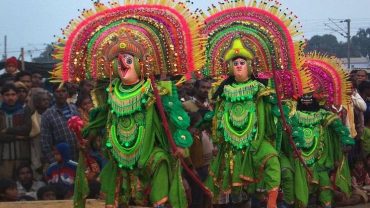
While the Purulia-style Chhau dance (a UNESCO Intangible Cultural Heritage) is its most famous export, the cultural landscape is richer and more complex.
- The Tribal Heartbeat: The Santal, Kurmi, Bhumij, and Munda communities are the custodians of this land. Their festivals like Baha Parab (Spring Festival) and Sohrai (Harvest Festival) are vibrant expressions of a deep connection to nature.
- The Craft of Existence: Look for the distinctive Sitalpati (cool mats), bamboo crafts, and the iconic, fiercely expressive Chhau masks carved from sola pith and clay.
The Destinations
We move beyond a simple list to a functional classification of visiting places in Purulia based on traveler intent.
The Highland Realm
Ayodhya Hills
- The Ascent & Geography: The journey up the breathtaking ghat road is a geological transition. You are climbing the escarpment of the Chota Nagpur Plateau. The view from the top is a stunningly powerful panorama of the “Rarh” plains below.
- Core Attractions, Deconstructed:
- Bamni Falls: A classic ‘knickpoint’ waterfall where the resistant rock of the plateau gives way. Its flow is a direct indicator of the monsoon’s generosity. Visit between October and December for its most majestic state.
- Mayur Hills (Moyur Pahar): Geologically a continuation of Ayodhya, it offers a slightly different, more secluded microclimate. The “Lovers’ Point” provides an unforgettable lesson in atmospheric perspective as the sun sets over the hazy plains.
- Sita Kund & Rama Temple: Sites of mythological significance that highlight the region’s connection to the Ramayana trail. The serene kund is a natural spring, its perennial flow a source of local reverence.
- The Tribal Interface: The villages around Bagmundi are not just scenic; they are living museums of Santal culture. Engaging with locals (respectfully) can reveal stories of their relationship with the hills and forests.
Joychandi Pahar
- The Geology: A classic isolated hill, a remnant of a higher plateau level that has otherwise eroded away. Its granite outcrops make it ideal for climbing.
- The Experience: A micro-adventure accessible from the town. The summit view is a fantastic 360-degree geographical lesson, showing the transition from the urban center to the rural countryside.
The Historical & Archaeological Circuit (Echoes of the Past)
Garh Panchkot: The Palimpsest of Power
- Historical Stratigraphy: The site reveals multiple layers: the 16th-century fort of the Panchkot Raj, the later influence of the Mughals, and the eventual abandonment. The temples show a blend of Indigenous Bengali and Nagara styles.
- The Emotional Landscape: More than its history, it’s the hauntingly beautiful atmosphere of decay and reclamation by nature that captivates. The silence is a canvas for the imagination.
Deulghata: The Terracotta Library
- Architectural Significance: The Rekha Deul temples here are fine examples of the late medieval period in this region. The terracotta panels are not merely decorative; they are a narrative tool, depicting everything from divine epics to scenes of contemporary warfare and daily life, making them a fascinating historical record.
Baranti & The Enigma of Pakhi Pahar
- The Archaeological Mystery: The carvings on Pakhi Pahar (Bird’s Rock) remain undated and un-deciphered. Theories range from being prehistoric petroglyphs to medieval tantric inscriptions. This mystery is a captivating draw for those who want to ponder the unknown.
The Aquatic Systems (Dams & Waterfalls)
The Damodar Valley Corporation (DVC) Dams
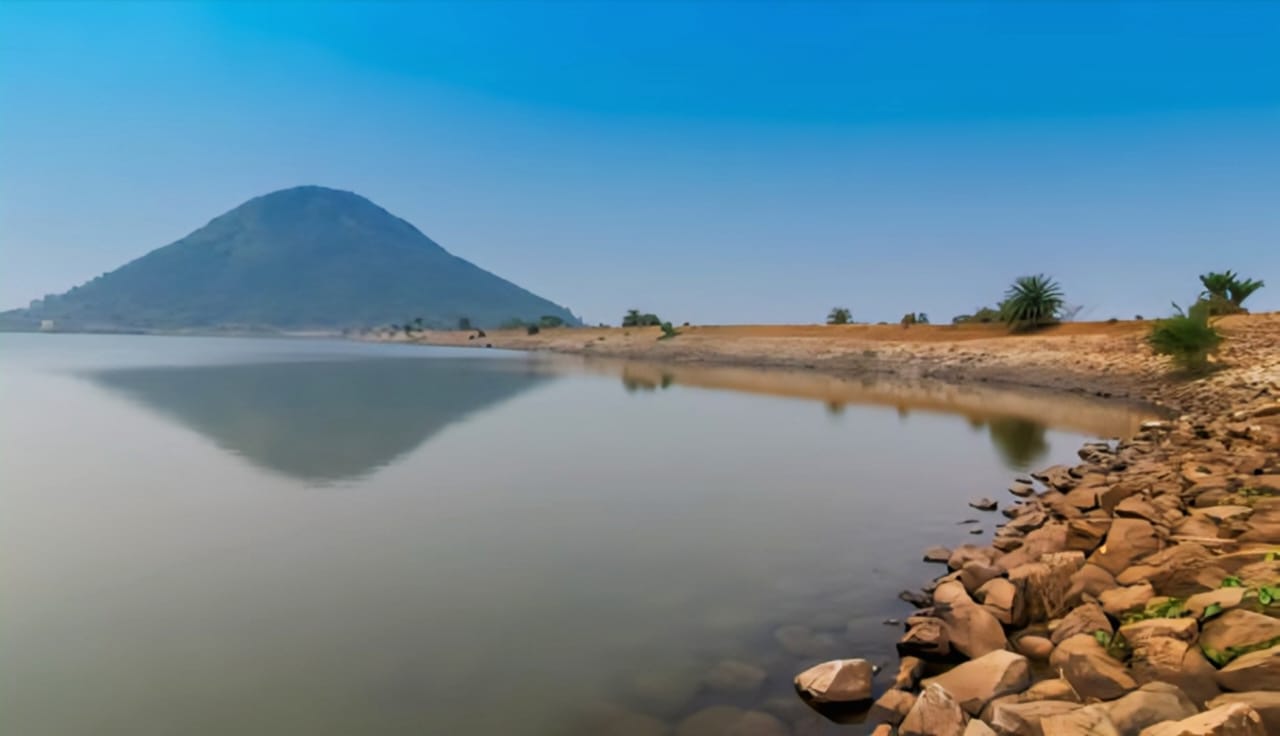
- Panchet Dam: Part of the post-independence DVC project to control the “Sorrow of Bengal.” It represents a modern, engineering-led intervention in this ancient landscape. The scale is impressively vast.
- Other Reservoirs: Maithon and Futiari are other large reservoirs that create serene, artificial ecosystems, popular for boating and birding.
The Purulia Outdoor Budget
| Category | Accommodation (Details) | Food (Type) | Transport (Mode) | Activities & Misc. | Daily Total |
| Budget | ₹800 – ₹1,200 (Govt. Lodge, Homestay) | ₹300 (Dhabas, Street Food) | ₹400 (Shared Jeep, Bus) | ₹200 (Entry Fees, Guide) | ₹1,700 – ₹2,100 |
| Mid-Range | ₹1,500 – ₹3,500 (Private Resort, Hotel) | ₹600 (Local Restaurants) | ₹1,500 (Dedicated non-AC Car) | ₹500 (Guided Tours) | ₹4,100 – ₹6,100 |
| Luxury | ₹4,000 – ₹8,000 (Boutique Heritage Stays) | ₹1,000 (Resort Dining) | ₹2,500 (Private AC SUV) | ₹1,000 (All Activities) | ₹8,500 – ₹12,500 |
- Note: A 4-day/3-night immersive tour for a mid-range traveler would realistically cost between ₹16,000 – ₹24,000, all-inclusive.
The Phenological Deep Dive: Best Time to Visit
- Optimal Window (Oct – Feb): Characterized by a dry, continental climate due to its elevation. Daytime temperatures are perfect for trekking (12°C – 25°C), while nights can be surprisingly cold (down to 6°C). This is also the season for major festivals like the Poush Mela.
- The Shoulder (Mar): The pre-summer period. The Palash (Flame of the Forest) trees bloom, setting the hillsides ablaze with red and orange. A spectacular time for photographers.
- Challenging Seasons:
- Summer (Apr – Jun): Experiences a scorching and oppressive dry heat, with temperatures often exceeding 45°C. The rock surfaces radiate intense heat, making any extensive outdoor activity highly uncomfortable.
- Monsoon (Jul – Sep): Receives moderate to heavy rainfall. While the landscape turns a vibrant emerald green, the lateritic soil becomes unstable. The risk of landslides on ghat roads is unfortunately high, and travel to the highlands can be unpredictable.
The Connectivity Matrix
The Rail Corridor (The Strategic Choice)
- From Kolkata: The lines belong to the Adra division of Southeastern Railway. The Aranyak Express is the premier overnight choice, while the Rupashi Bangla offers a scenic daytime journey.
- Pro-Tip: For a seamless experience, book a cab from your Purulia hotel to pick you up from the station. Pre-arranged transport is key.
The Air-Rail Synergy
- Gateway: Kolkata Airport (CCU).
- The Optimal Algorithm: For most travelers, the most efficient and cost-effective method is Flight to Kolkata -> pre-paid taxi to Howrah Station -> pre-booked train to Purulia -> pre-arranged car for local sightseeing. This balances cost, comfort, and time.
The Self-Drive Expedition
- Route: Kolkata -> Kona Expressway -> NH16 (Delhi Road) -> SH5 (Rani Ghati Road).
- Vehicle Advice: A SUV with good ground clearance is highly recommended due to the condition of internal roads around tourist sites.
FAQs about Purulia
The Positives: Aspirations & Deep Insights
- Beyond the view, what is the geological significance of Ayodhya Hills?
It represents the easternmost edge of the Chota Nagpur Plateau. The breathtaking view from the top is essentially looking down at the younger, alluvial plains of Bengal, a dramatic illustration of millions of years of geological history. - What specific adventure opportunities exist beyond generic trekking?
The region offers incredible bouldering and rock-climbing potential on the granite outcrops of Joychandi. Specific trails in Ayodhya, like the one to “Trekker’s Point,” offer challenging, unmarked routes for experienced hikers. - How can a traveler ethically engage with the tribal Chhau dance tradition?
Seek out performances organized by community-led cooperatives or during official festivals. Purchasing authentic, handcrafted masks directly from artisans (not street vendors) ensures your captivating experience also supports the tradition’s custodians. - What are the specific safety protocols for solo female travelers in remote areas like Garh Panchkot?
While generally safe and welcoming, it is prudent to hire a local guide from the nearest village not just for directions but for contextual safety. Inform your accommodation of your itinerary and expected return time. - Can you name a specific, rare tribal delicacy beyond the common list?
Look for “Charpa” – a unique preparation of sun-dried small fish or insects, pounded with spices. It’s a delectable and traditional source of protein, offering a genuine taste of local subsistence cuisine.
The Realities: Nuanced Cautions & Expert Considerations
- For a luxury traveler, what exactly does the “lack of luxury” entail?
It means no international hotel brands, inconsistent hot water supply, limited menu choices, and potentially unreliable Wi-Fi. The “luxury” here is in the profoundly serene isolation and unique heritage stays, not in standardized five-star service. - What are the specific health risks during the summer months?
Beyond discomfort, the scorching and oppressive heat carries a high risk of heatstroke and severe dehydration. Trekking during peak afternoon hours is medically inadvisable. - What is the realistic probability of a landslide disrupting travel in monsoon?
On the Ayodhya ghat roads, the probability is unfortunately significant after a period of sustained heavy rainfall. Local news and your hotel manager are the best sources for real-time information. - Beyond “bad roads,” what is the specific impact on vehicle and itinerary?
The poor road conditions mean average speeds can drop to 10-20 km/h on internal routes. A 50 km journey can take over 3 hours, cause terrible delays, and require a flexible, patient itinerary. - For a vegan, what are the concrete food security options?
Your strategy should rely on self-supplied snacks and explicitly ordering “sabji dal” (vegetables and lentils) without ghee or butter at your hotel/resort. Exploring local markets for fresh seasonal fruit is a reliable option.
Comment (0)